
It’s exam season again.
Something we all know is coming—yet somehow, every year, we still feel unprepared.
It’s not even that exams are always that hard. Sometimes, you’re just making them harder on yourself.
After four years of figuring out what actually works (and what really doesn’t), these are the exam study tips I kept coming back to.
1. Create a Schedule
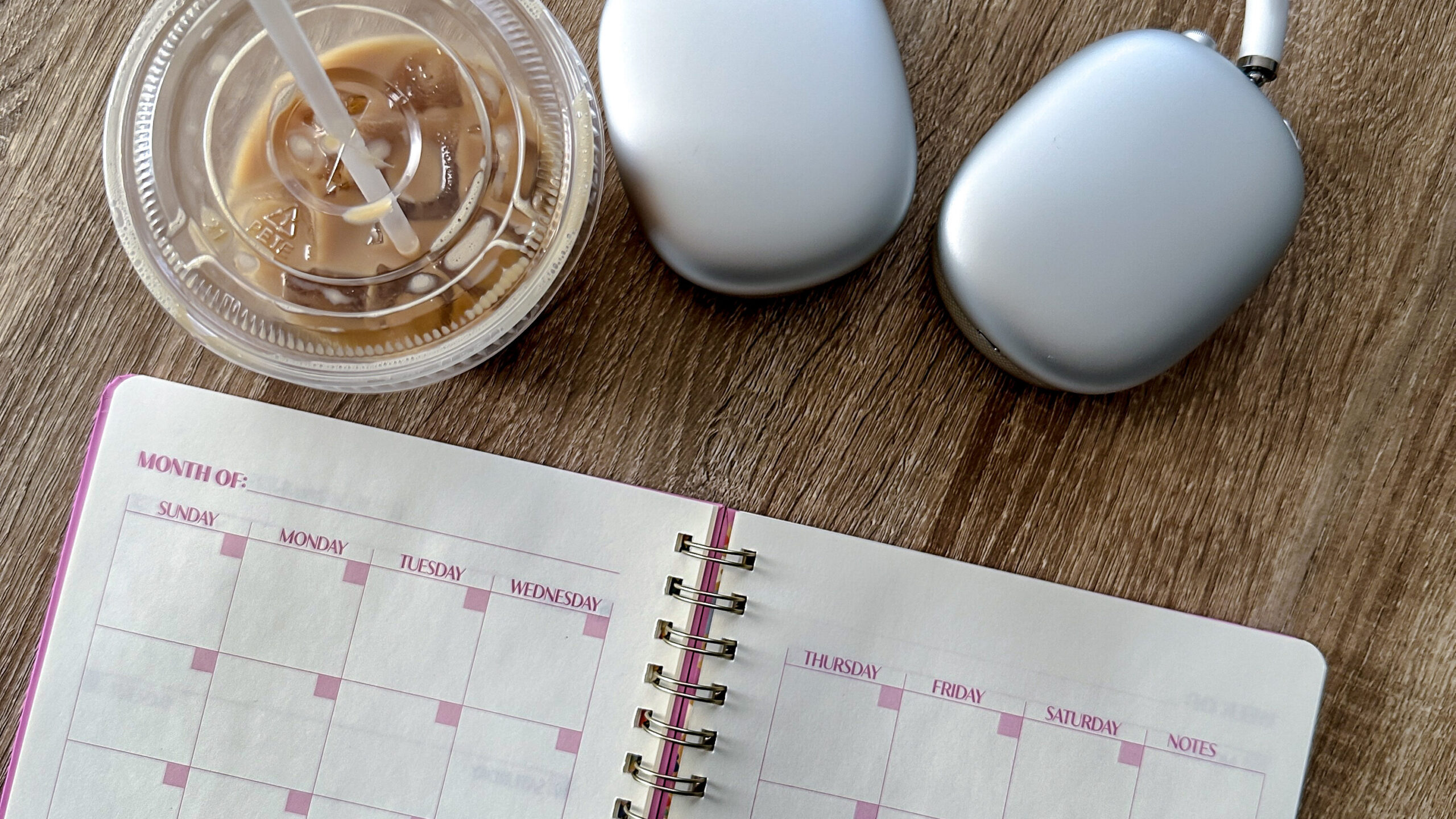
Write out every single exam—date, time, and location. Yes, even if it’s online.
It sounds simple, but seeing everything laid out gives you a real sense of how much time you actually have. It forces you to stop guessing and start planning.
Also—always write the time and location. Everyone thinks they’d never miss an exam… until they do.
I used to keep mine on a wall calendar. Something about seeing it physically every day just hits different during exam season.
2. Put Yourself First
I mean—obviously. But also, not really.
Exam season is not always the time to be social. Studying with friends or at a busy café might feel productive, but most of the time, it’s just distracting.
Studies show that studying alone can improve your concentration—which, in my eyes, directly improves your grade.
I was someone who always thought I could study with others. Then I got a few exams back and realized… I can’t.
A lot of study strategies for exams come down to one thing: focus.
Put yourself first. No one else will. At the end of the day, it’s your education.

3. Eat. Sleep. Drink.
I’ve been there—and so have you.
You get so focused on studying that you start neglecting what actually matters most: your wellbeing.
Skipping meals. Running on caffeine. Sleeping… barely.
It catches up to you.
Did you know you’re likely to do 25% better on an exam when you get 6–8 hours of sleep the night before?
And no—don’t try to convince yourself you’re a night owl or that you study better at 2am. It’s just not true. Your brain is actually at its best between 11am and 9:30pm, which is when you’re more likely to retain what you’re learning.
So think twice before you crack that 12am Red Bull—I know I didn’t.
Prioritizing how you study is important—but fueling your body properly is just as important.

4. Your Study Method
At this point, you most likely have a strong study method—or at least you think you do. Learning how to effectively study is something most of us were never actually taught.
And I get it—it can be frustrating when it feels like people around you are doing well with barely any studying. But if there’s one thing I’ll say, it’s this: don’t compare yourself to your peers in university.
What works for someone else might not work for you.
The 25/5 method (25 minutes of studying, 5-minute break) was one of my go-to study strategies for exams. It helped me stay focused without completely burning out.
I also realized pretty quickly that I’m not someone who can just sit there and read notes for hours. If you’re the same way, you’re not alone.
One of the best tools I found was NotebookLM. You can input your notes, and it turns them into audio—almost like a podcast—plus gives you a written breakdown and flashcards to review. Honestly, it made studying feel way less forced.

5. Set Up Your Space for Success
A clean environment = a clear mind.
Whenever my apartment wasn’t clean, I found it so much harder to focus. It’s one of those things you don’t really notice—until you do.
I loved studying in the library, but sometimes it was just easier to be alone in my room. But that only really works if your environment is actually set up for you to succeed.
During exams, I also used to buy myself one new stationery item—just something small. It felt like an academic treat. Even something as simple as a new notebook or pen can weirdly make you want to be more productive. IKEA and Urban Outfitters both have aesthetic (and actually useful) options.
You also need to set your mind up for success.
If you prefer studying in your room, that’s great—but don’t be afraid to switch it up. Changing your location can genuinely reset your focus. Take advantage of Palay’s study room when you need a more structured environment.
And if you’re completely stuck, take a real break—like going to the 24-hour gym. Even if you’re not someone who works out regularly, moving your body has been shown to improve brain function and help you refocus faster.
Sometimes, stepping away is exactly what gets you back on track.

Final Thoughts
If you put all of this together, exam season feels a lot less overwhelming.
Have a schedule so you know what you’re working with. Study in a way that actually helps you focus. Take care of yourself like it matters—because it does. And don’t be afraid to switch things up if something isn’t working.
At the end of the day, doing better on exams isn’t about doing more—it’s about doing things smarter.
These exam study tips aren’t complicated, but they make a real difference when you actually apply them.
Happy studying!